Nose Reshaping
Rhinoplasty
- Improving facial balance and harmony by adjusting nasal size or projection
- Correcting asymmetry or deformity after trauma.
- Refining tip definition or reducing width.
- Straightening a crooked or deviated nose
- Improving nasal airflow when structural obstruction is present.
Why Choose Mr. Tarek Eltantawy
Mr Eltantawy’s approach combines artistry and surgical precision to achieve balanced, natural results. Each operation is meticulously planned with photographic analysis and careful attention to airway function. Surgery is performed in accredited UK hospitals alongside consultant anaesthetists, and patients receive direct consultant follow-up throughout recovery.
“My goal is always harmony, function and safety — a nose that fits the face, not the operation.”
What is Nose Reshaping
Rhinoplasty is a surgical procedure that refines the shape, proportions and sometimes the function of the nose. It can reduce or increase nasal size, smooth a hump, straighten a deviation, refine the nasal tip, narrow the base, or correct deformity after injury. In functional cases, it may also improve nasal breathing by addressing internal structural problems such as a deviated septum or collapsed internal valves.
Rhinoplasty is usually performed under general anaesthesia. Operating time is typically 1½ – 3 hours, depending on the complexity and whether septal work is
included. Most patients go home the same day or after one night in hospital.
Initial improvements are visible once the splint and early swelling settle, but refinement continues for
many months. Results are long-lasting provided nasal trauma is avoided and the structure remains stable. The aim is to produce a natural-looking nose that complements your facial features rather than to create an artificial appearance.
What is Nose Reshaping
Rhinoplasty is a surgical procedure that refines the shape, proportions and sometimes the function of the nose. It can reduce or increase nasal size, smooth a hump, straighten a deviation, refine the nasal tip, narrow the base, or correct deformity after injury. In functional cases, it may also improve nasal breathing by addressing internal structural problems such as a deviated septum or collapsed internal valves.
Rhinoplasty is usually performed under general anaesthesia. Operating time is typically 1½ – 3 hours, depending on the complexity and whether septal work is
included. Most patients go home the same day or after one night in hospital.
Initial improvements are visible once the splint and early swelling settle, but refinement continues for
many months. Results are long-lasting provided nasal trauma is avoided and the structure remains stable. The aim is to produce a natural-looking nose that complements your facial features rather than to create an artificial appearance.
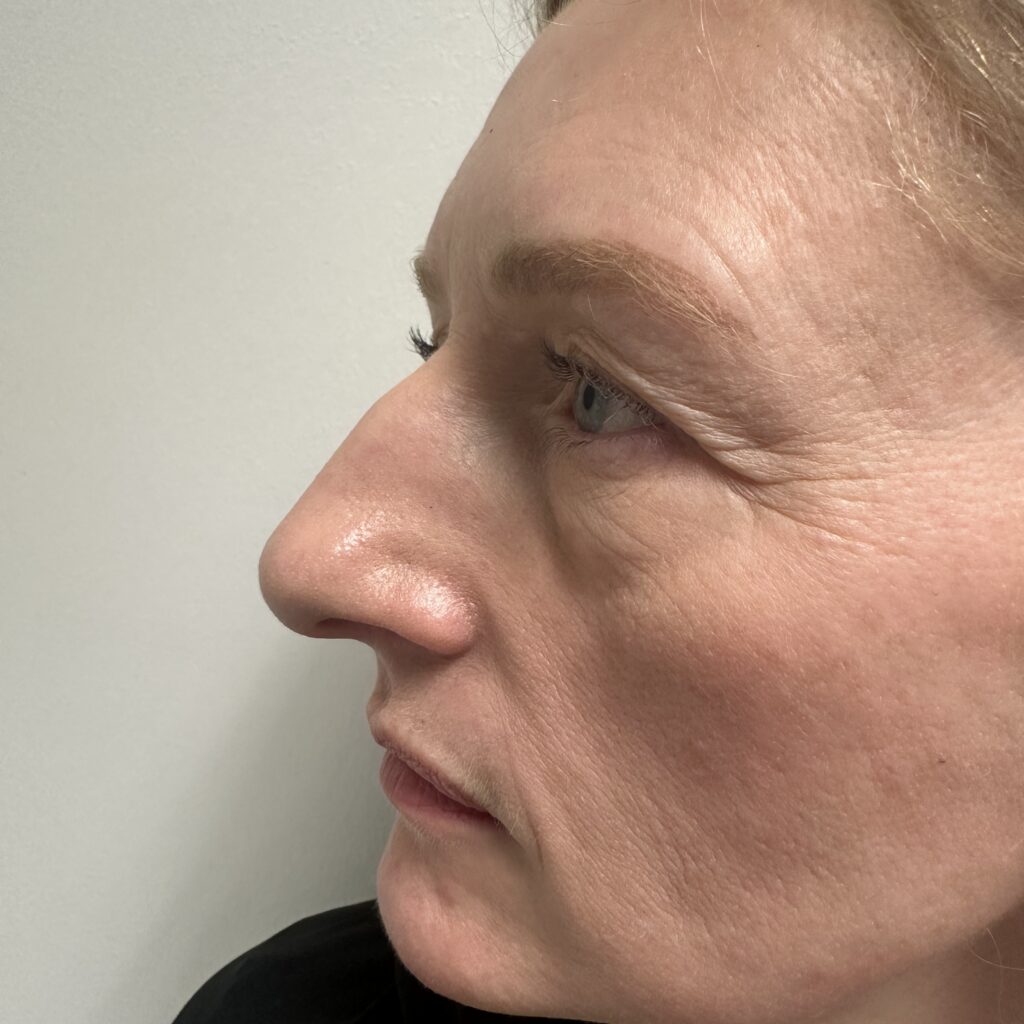
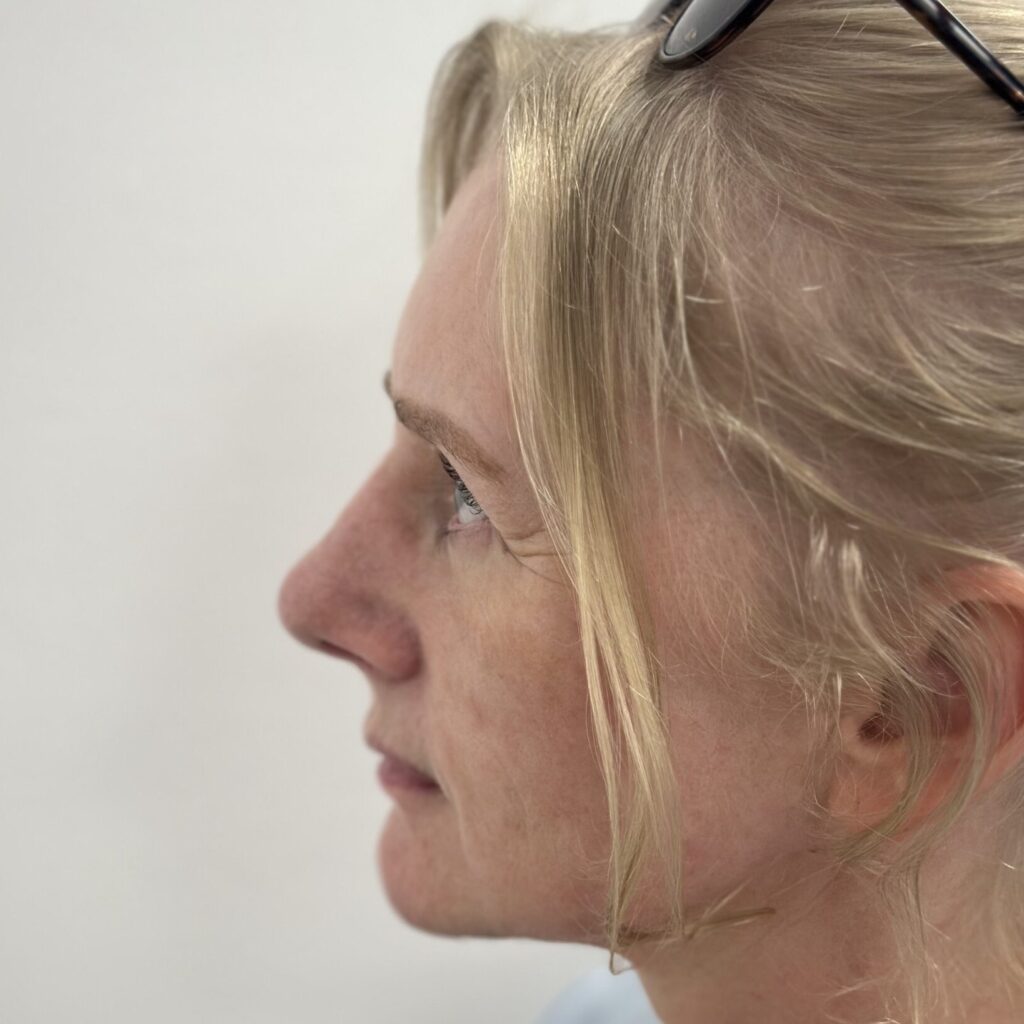
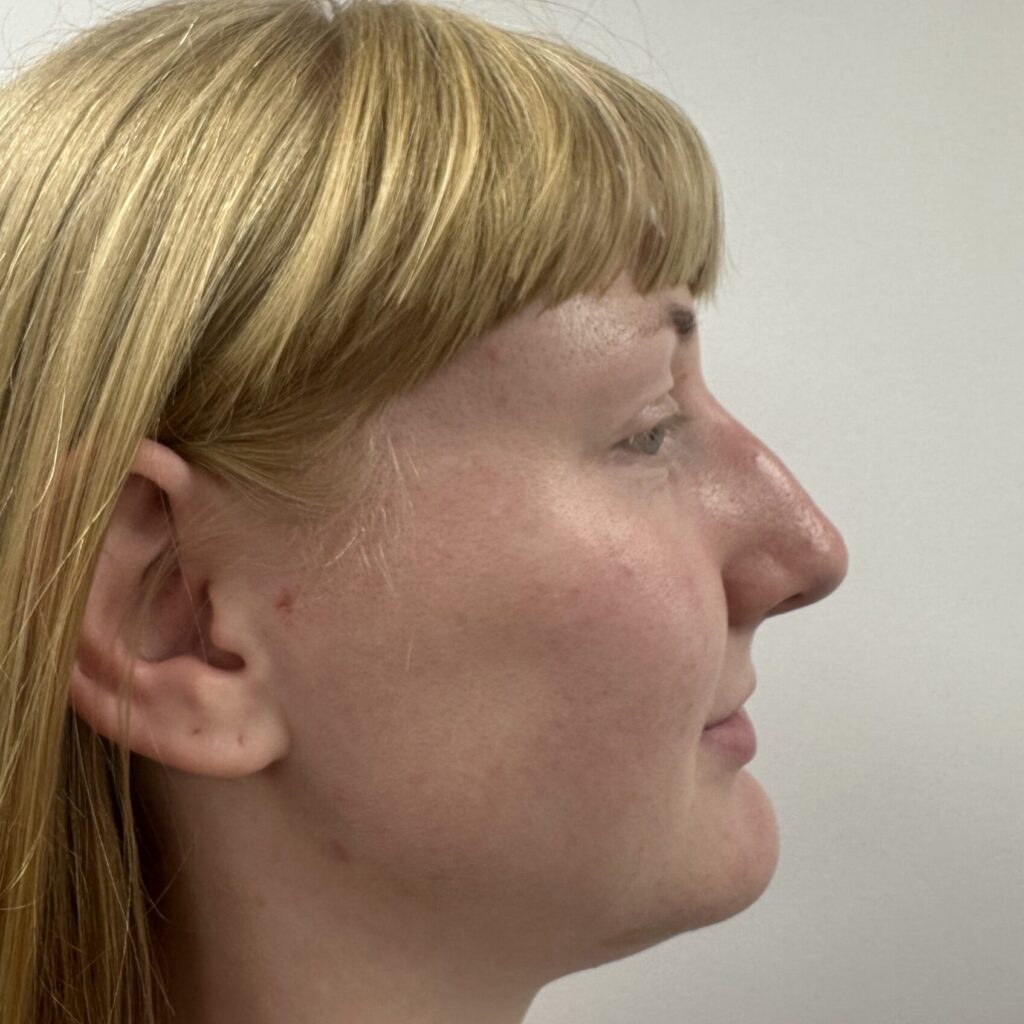
Before & After
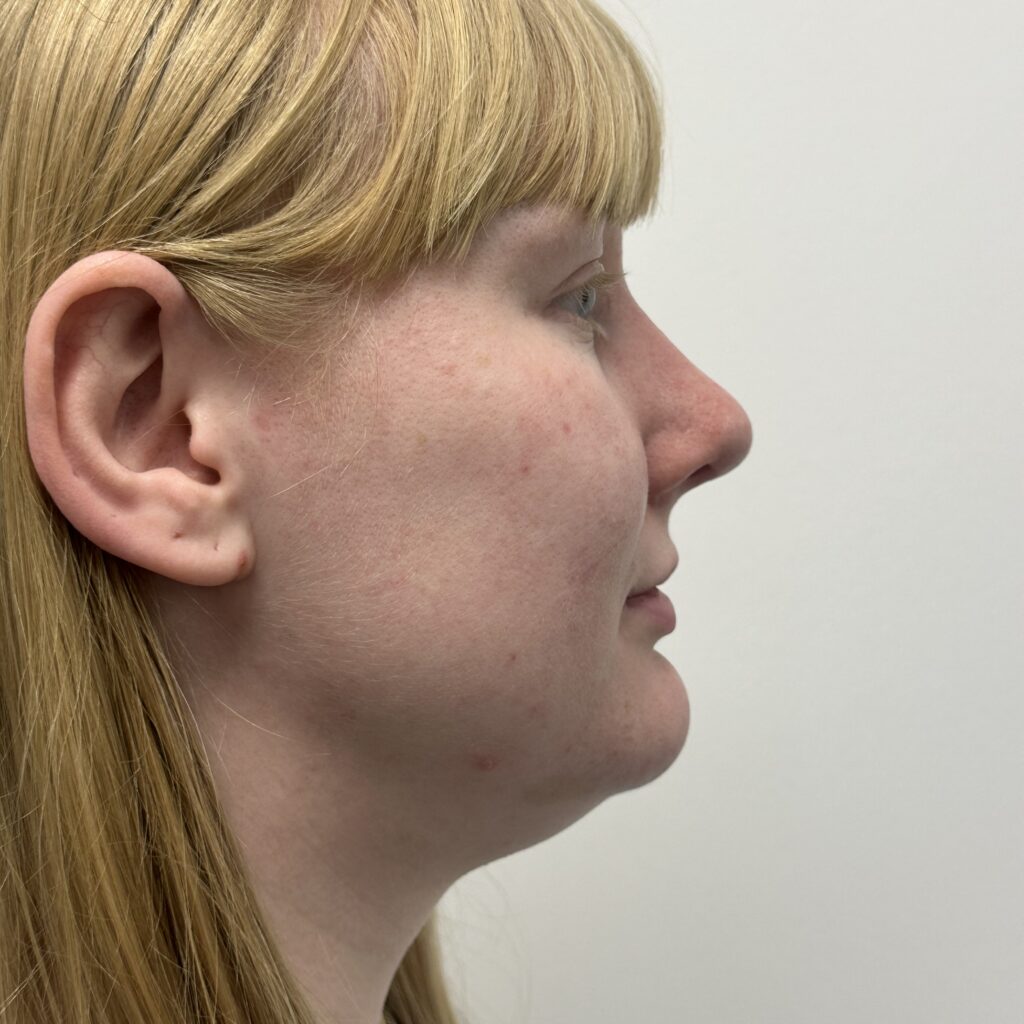
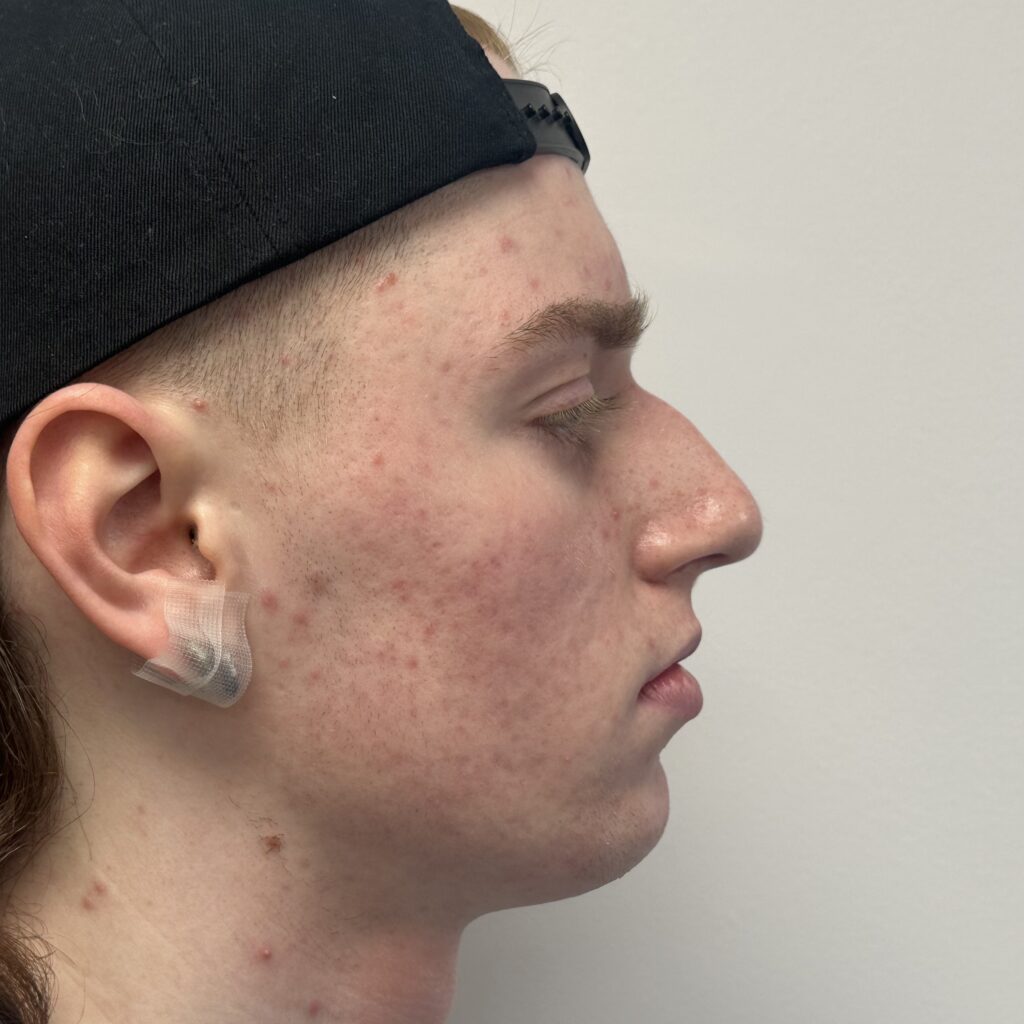
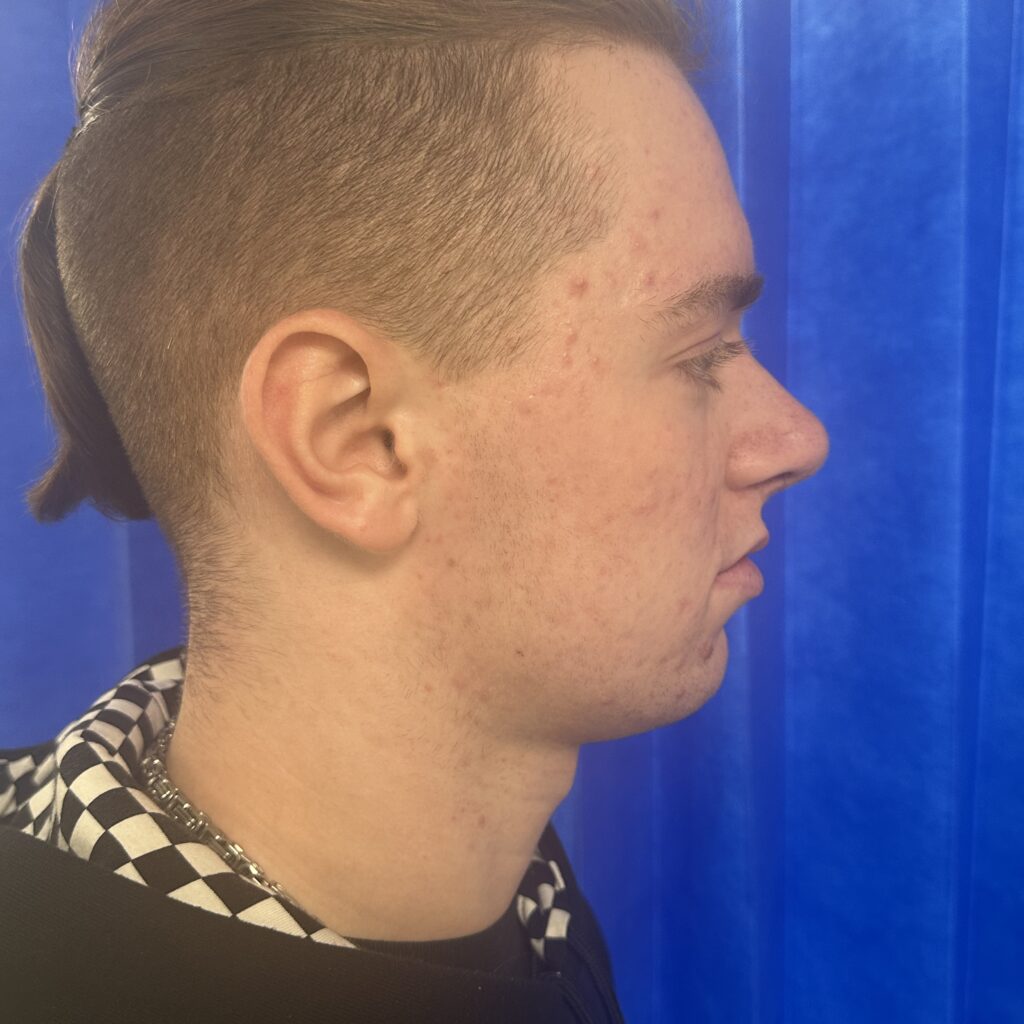
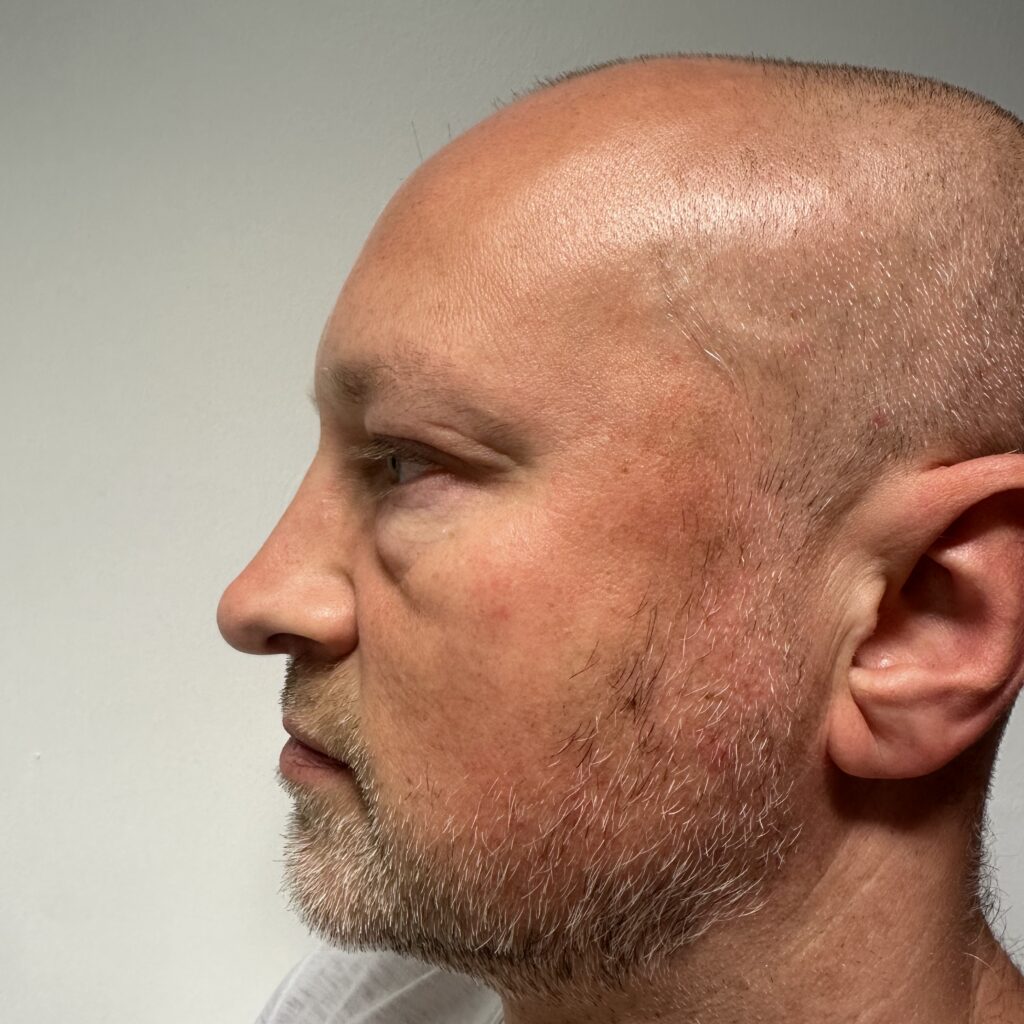
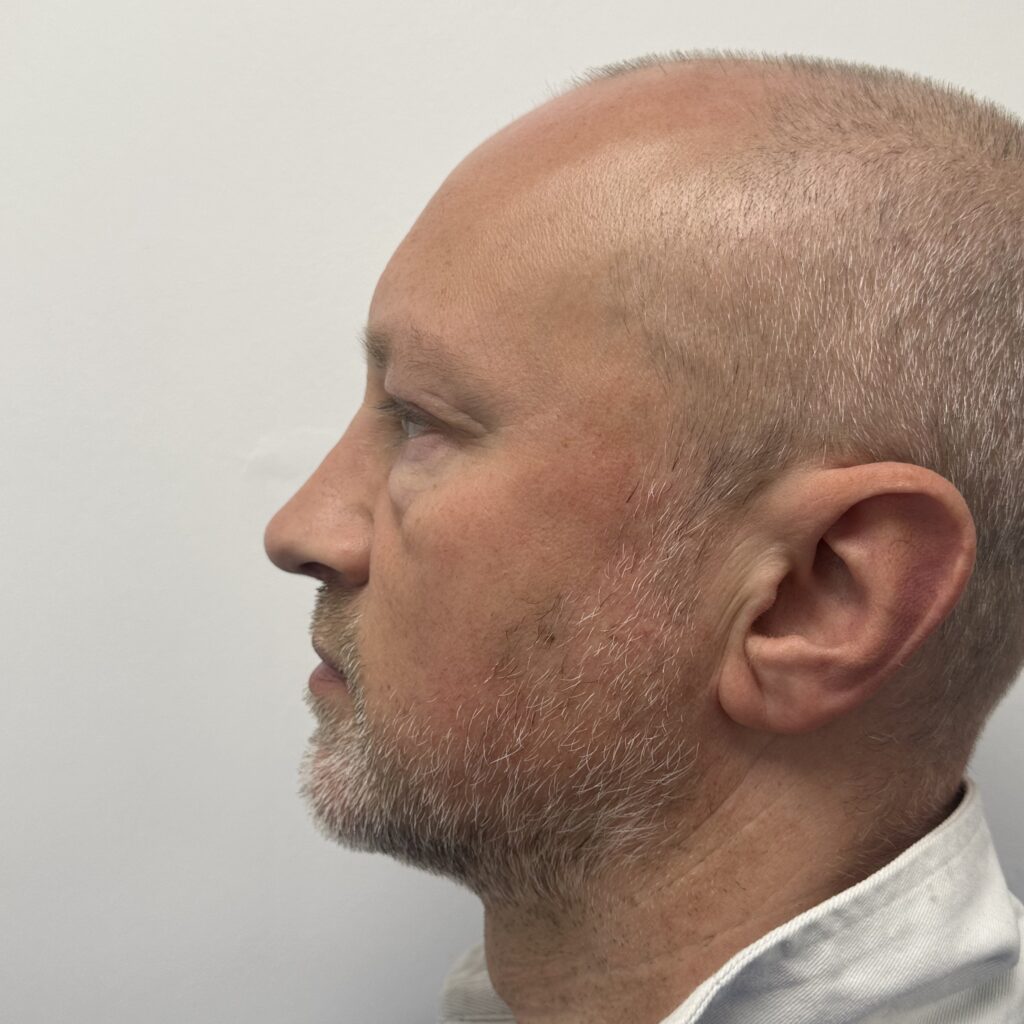
Suitable candidates are those who
Rhinoplasty is suitable for adults whose facial growth is complete (usually over 18 years). Candidates
should be in good general health, be non-smokers (or have stopped at least six weeks before and after
surgery) and have realistic expectations of what can be achieved
During consultation, your surgeon will assess:
Nasal Bone
Nasal bone and cartilage framework.
Airway
Septum and airway patency.
Symmetry
Facial proportions and symmetry
Skin thickness
Skin thickness and elasticity.
Pre-Operative preparation
Allergies
Medical clearance if you have allergies, sinus problems or a history of breathing issues.
Sick leave
Practical arrangements: plan a week off work and ensure someone can escort you home.
Fasting
Fasting: follow hospital instructions on fasting if general anaesthesia is used.
Medications
Medication review: avoid aspirin, NSAIDs, and supplements such as vitamin E, ginseng or fish oil for two weeks before surgery unless otherwise advised.
Smoking cessation
Smoking cessation six weeks before and after to protect skin blood flow.
Surgical technique
Rhinoplasty can be performed through two main approaches:
- Closed rhinoplasty: all incisions are made inside the nostrils; no visible external scar.
- Open rhinoplasty: a small incision is made across the columella (skin bridge between the nostrils) allowing direct access for precise modification.
- The underlying bone and cartilage are reshaped to achieve the desired contour
Risks and complications
All surgical procedures carry risks, which are minimised by experienced surgical technique and meticulous aftercare. Potential complications include
- Bleeding or haematoma (rare, usually within 24 hours).
- Infection
- Prolonged swelling or bruising.
- Temporary or permanent numbness of the nasal tip.
- Scarring (usually inconspicuous if open technique used).
- Septal perforation (rare).
- Asymmetry or contour irregularity.
- Breathing difficulty due to internal scarring.
- Need for revision surgery (around 5–10 % of cases).
- Anaesthetic risks such as nausea, sore throat or allergy.
- Your surgeon will discuss individual risk factors during consent.
Recovery and aftercare
First week
Bruising and swelling around the eyes peak within 2–3 days and improve rapidly.
The external splint
stays in place for about 7 days. Avoid blowing your nose or heavy lifting.
Weeks 2 – 4
Splint and any visible sutures are removed at 1 week. Most patients return to work or social activities after 7–10 days. Light exercise can resume after 2 weeks; avoid strenuous activity for 6 weeks
Weeks 6 – 12 and beyond
Residual swelling gradually subsides. The tip and bridge continue to refine over 12 – 18 months before the final result is fully apparent. Follow-up visits are typically at 1 week, 6 weeks, 3 months, 6 months and 1 year
During recovery
• Sleep on your back with your head elevated.
• Avoid wearing glasses resting on the nasal bridge for 4–6 weeks.
• Use saline sprays to keep nasal passages clear if advised.
• Protect the nose from sunburn for 6 months.
Book Consultation