Deep Plane Face and Neck Lift
- Remove Jowls or sagging along the jawline.
- Remove Loose skin or vertical bands on the neck.
- Deep nasolabial folds (smile lines).
- Loss of mid-face volume or descent.
- Desire for natural, refreshed facial definition.
Why Choose Mr. Tarek Eltantawy
Mr Eltantawy’s deep plane face and neck lift technique is tailored to each patient’s anatomy, aiming for natural rejuvenation without visible tension. His meticulous planning and experience in facial reconstructive anatomy ensure precise, safe dissection and refined results. All operations are performed in accredited UK hospitals with comprehensive aftercare and follow-up.
What isDeep Plane Face and Neck Lift
A deep plane face and neck lift is an advanced surgical rejuvenation technique that repositions the deeper facial support layers (SMAS and platysma) rather than simply tightening the skin. This produces natural, long-lasting rejuvenation of the mid-face, jawline and neck without the “pulled” appearance sometimes associated with older methods.
The surgery is performed under general anaesthesia, lasting 3–5 hours, depending on complexity. Most patients stay in hospital overnight for observation and comfort.
The deep plane facelift provides long-lasting improvement, typically 10–15 years, with natural facial movement. The jawline becomes more defined, the neck smoother, and the mid-face lifted in harmony. Scars fade to fine lines hidden in natural creases and the hairline.
What is Deep Plane Face and Neck Lift
A deep plane face and neck lift is an advanced surgical rejuvenation technique that repositions the deeper facial support layers (SMAS and platysma) rather than simply tightening the skin. This produces natural, long-lasting rejuvenation of the mid-face, jawline and neck without the “pulled” appearance sometimes associated with older methods.
The surgery is performed under general anaesthesia, lasting 3–5 hours, depending on complexity. Most patients stay in hospital overnight for observation and comfort.
The deep plane facelift provides long-lasting improvement, typically 10–15 years, with natural facial movement. The jawline becomes more defined, the neck smoother, and the mid-face lifted in harmony. Scars fade to fine lines hidden in natural creases and the hairline.
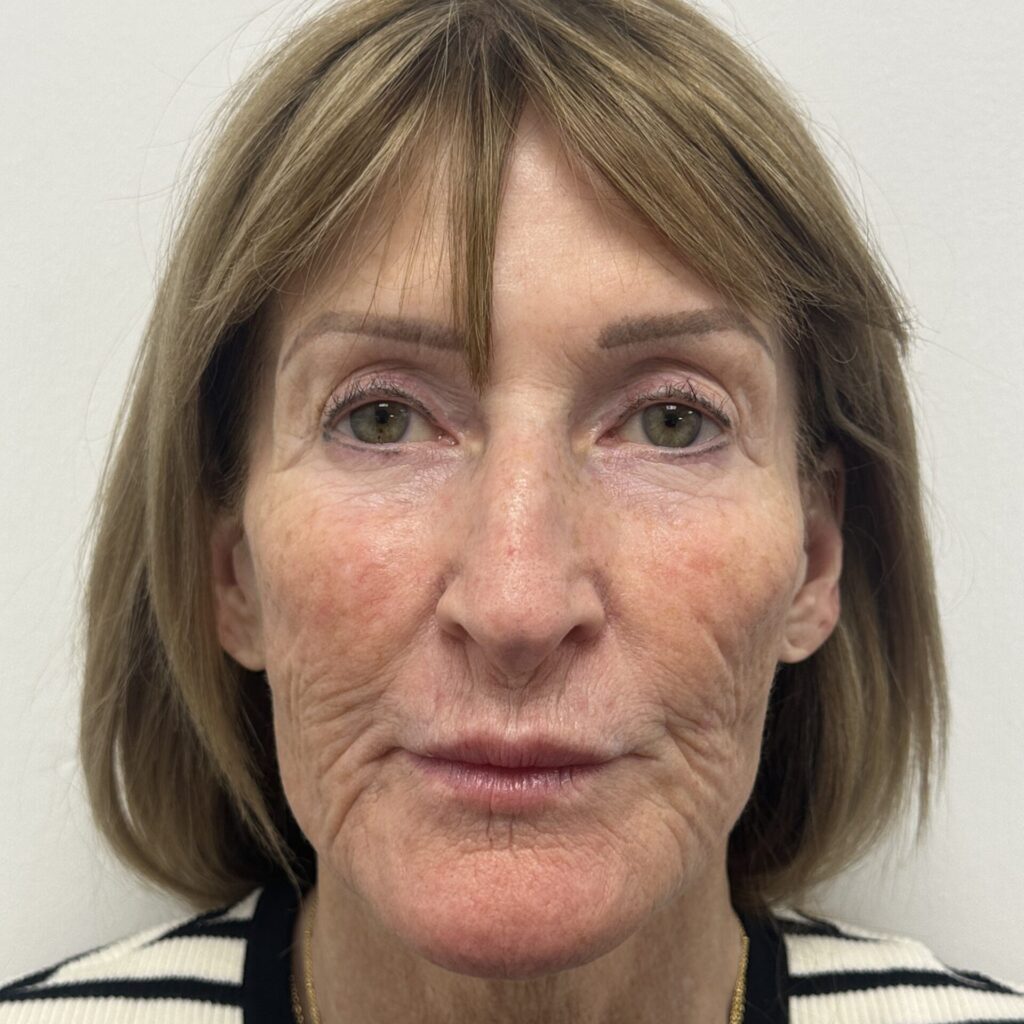
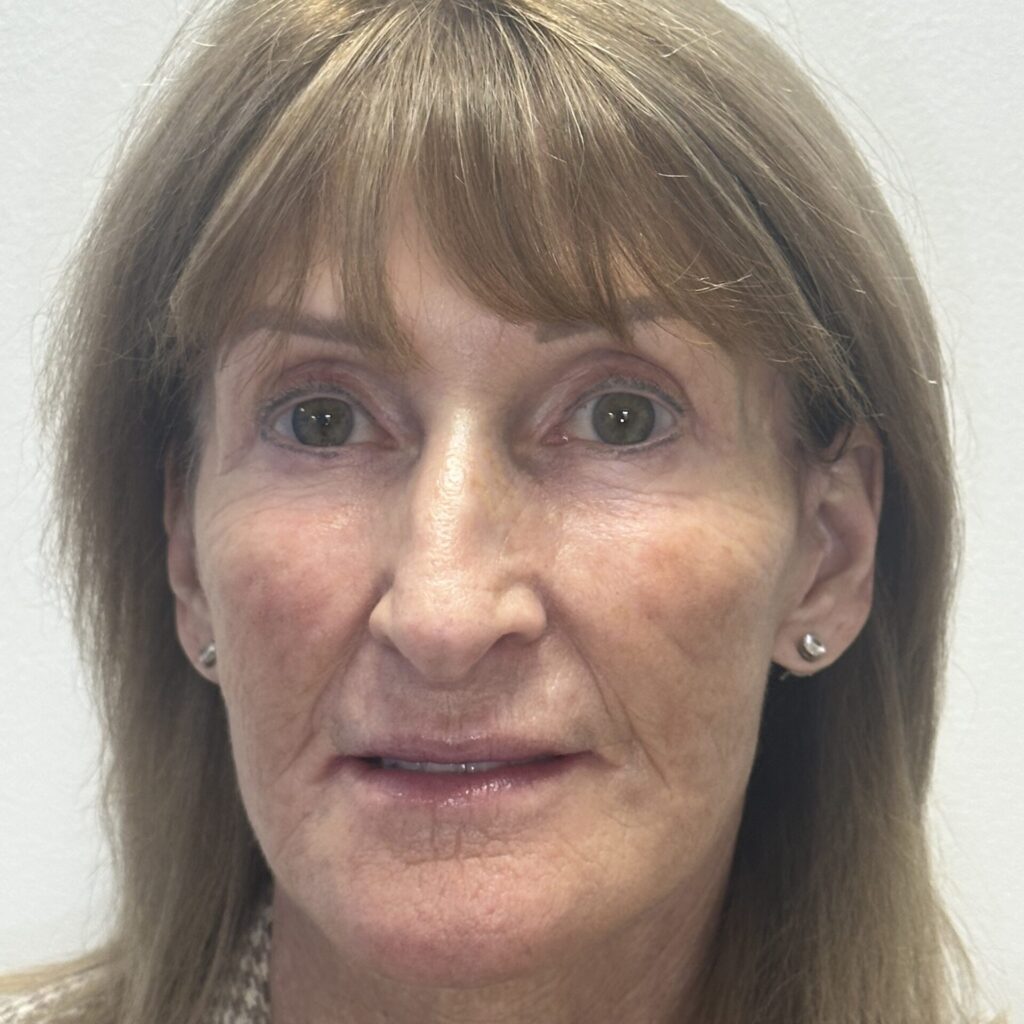
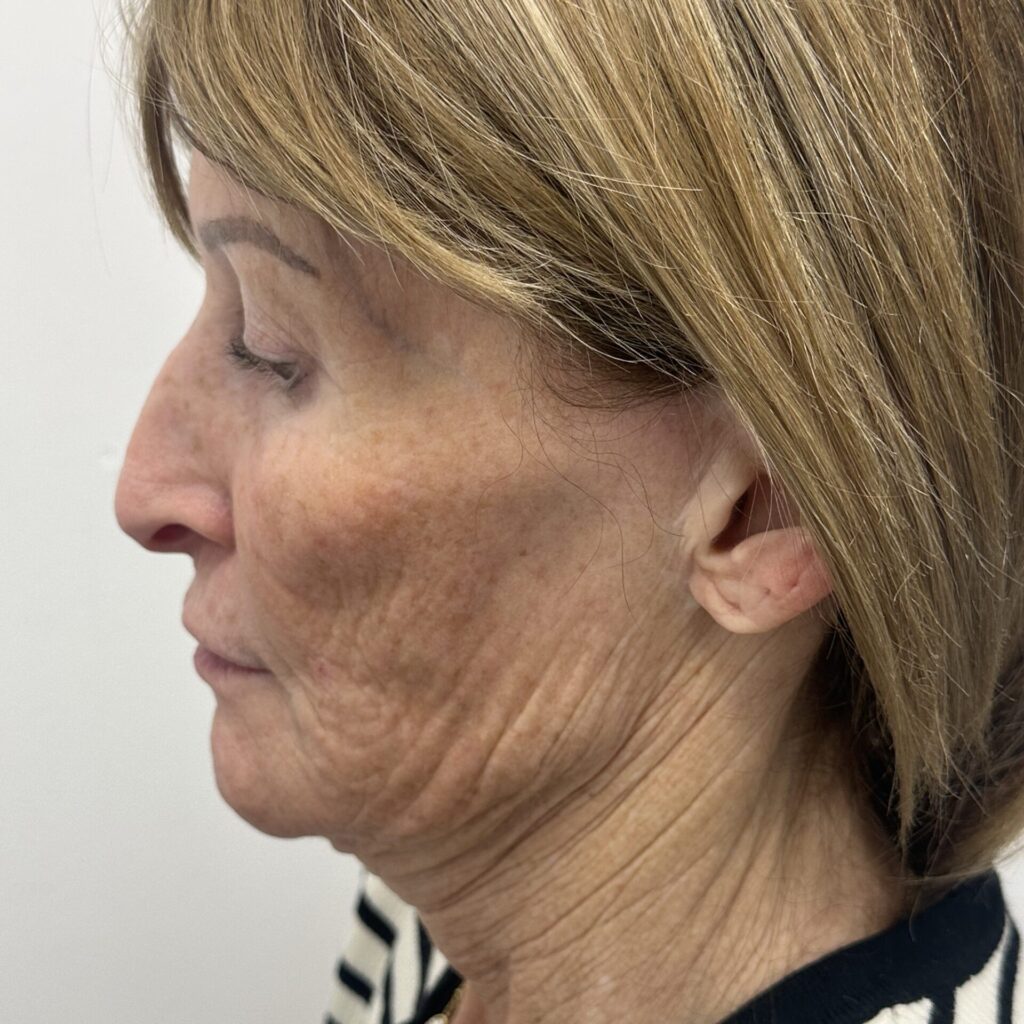
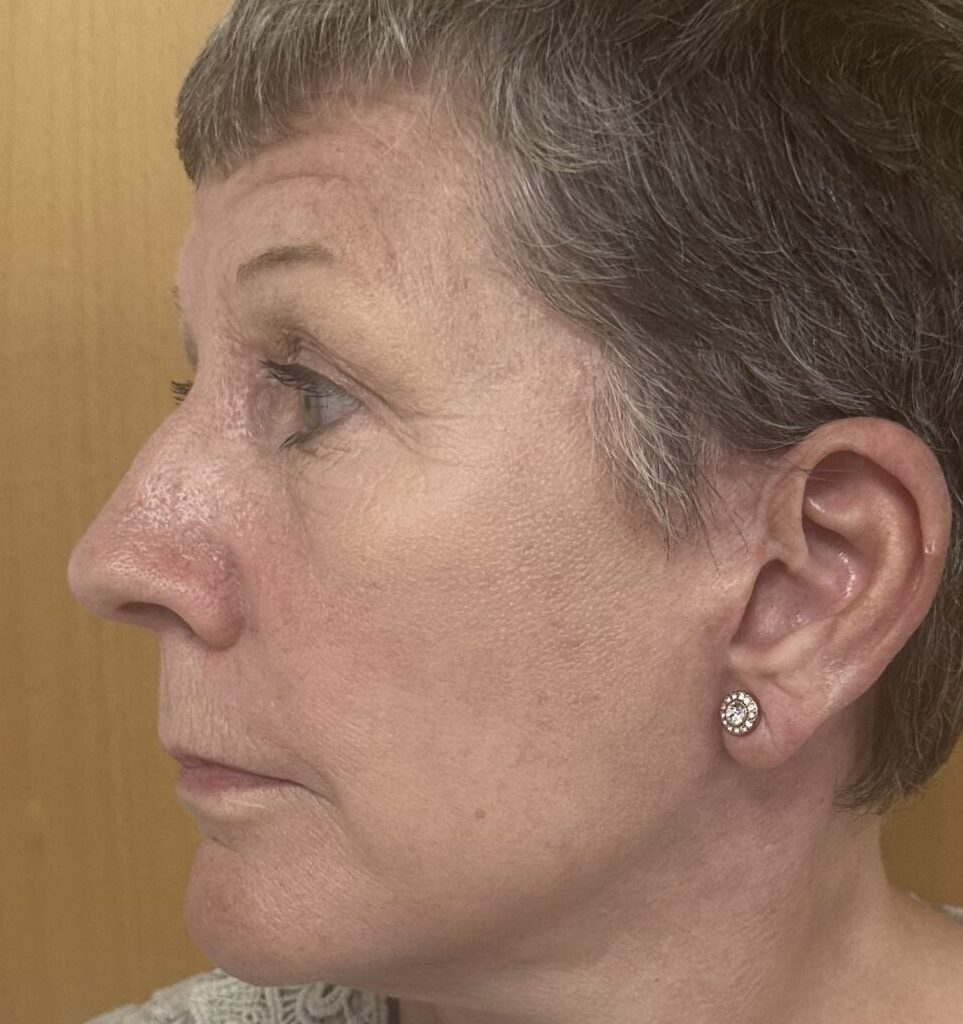
Before & After
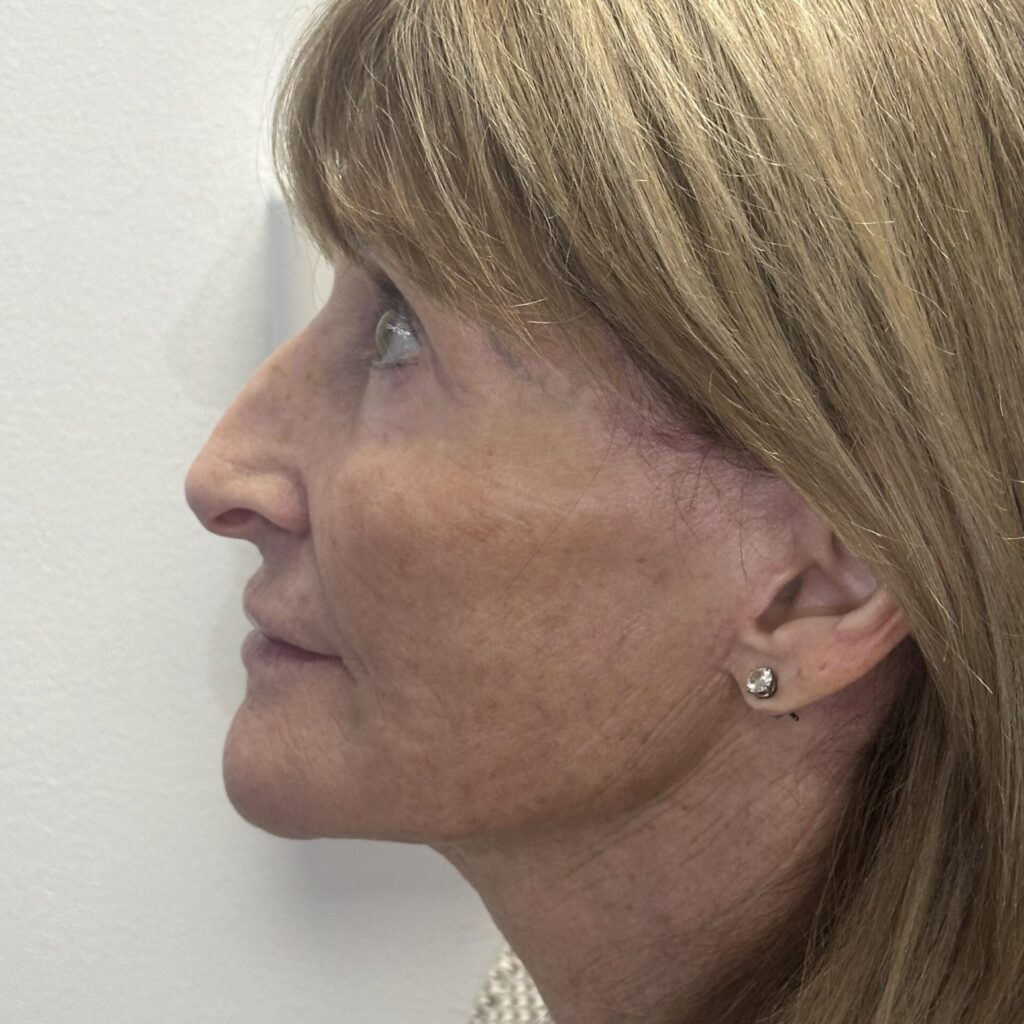
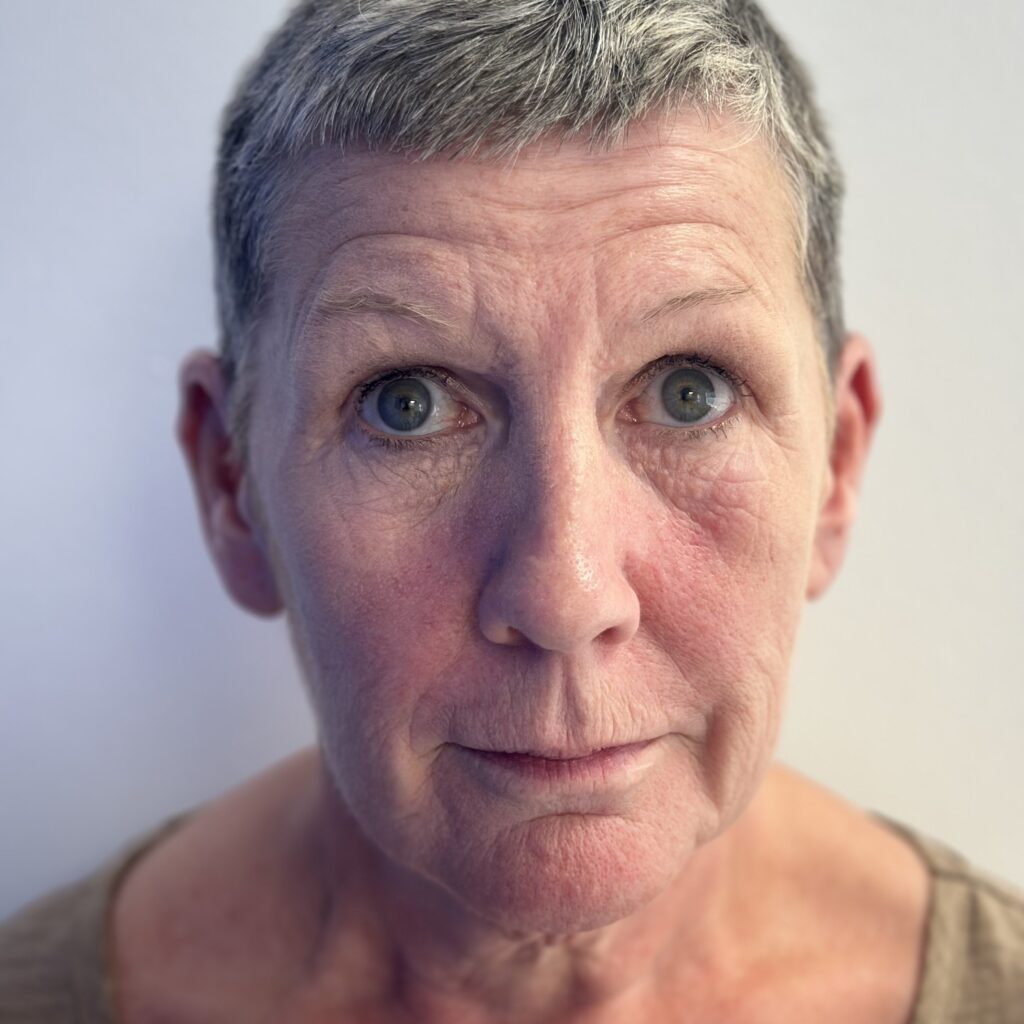
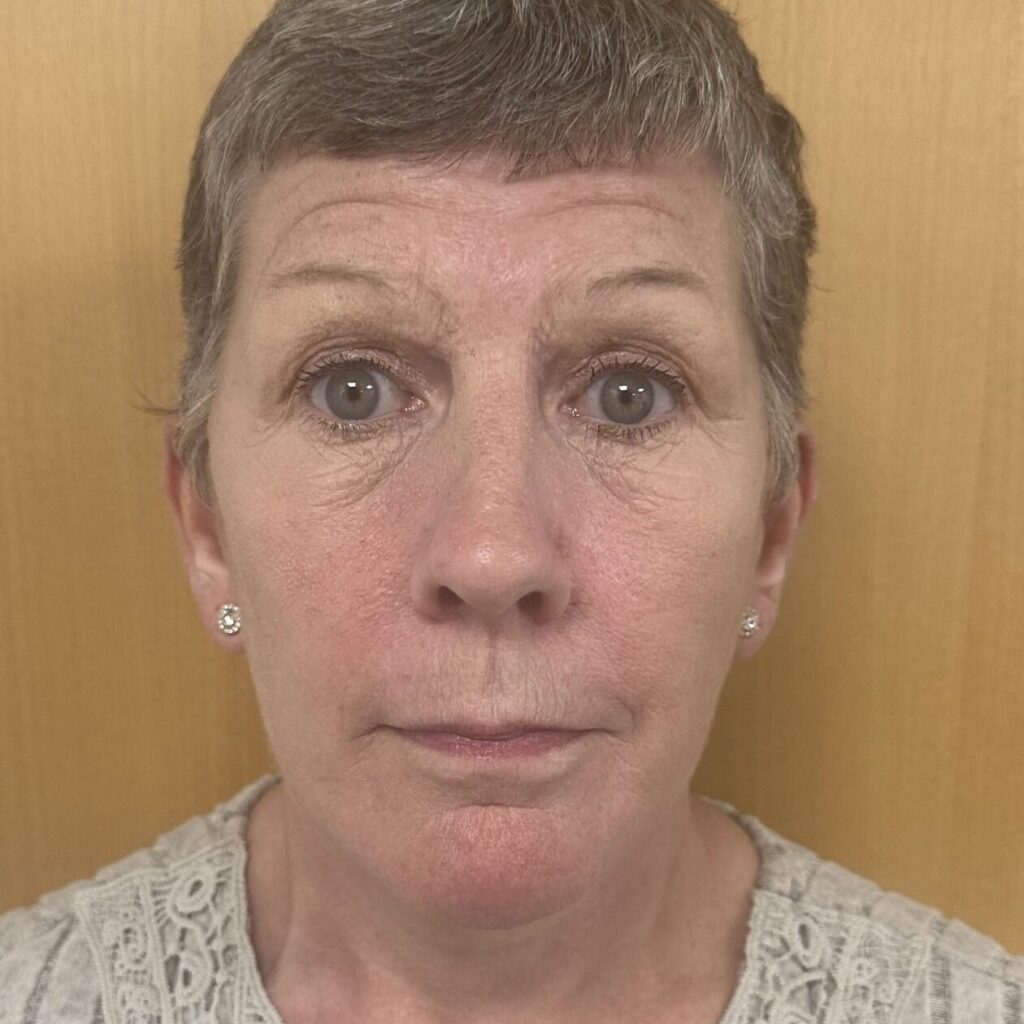
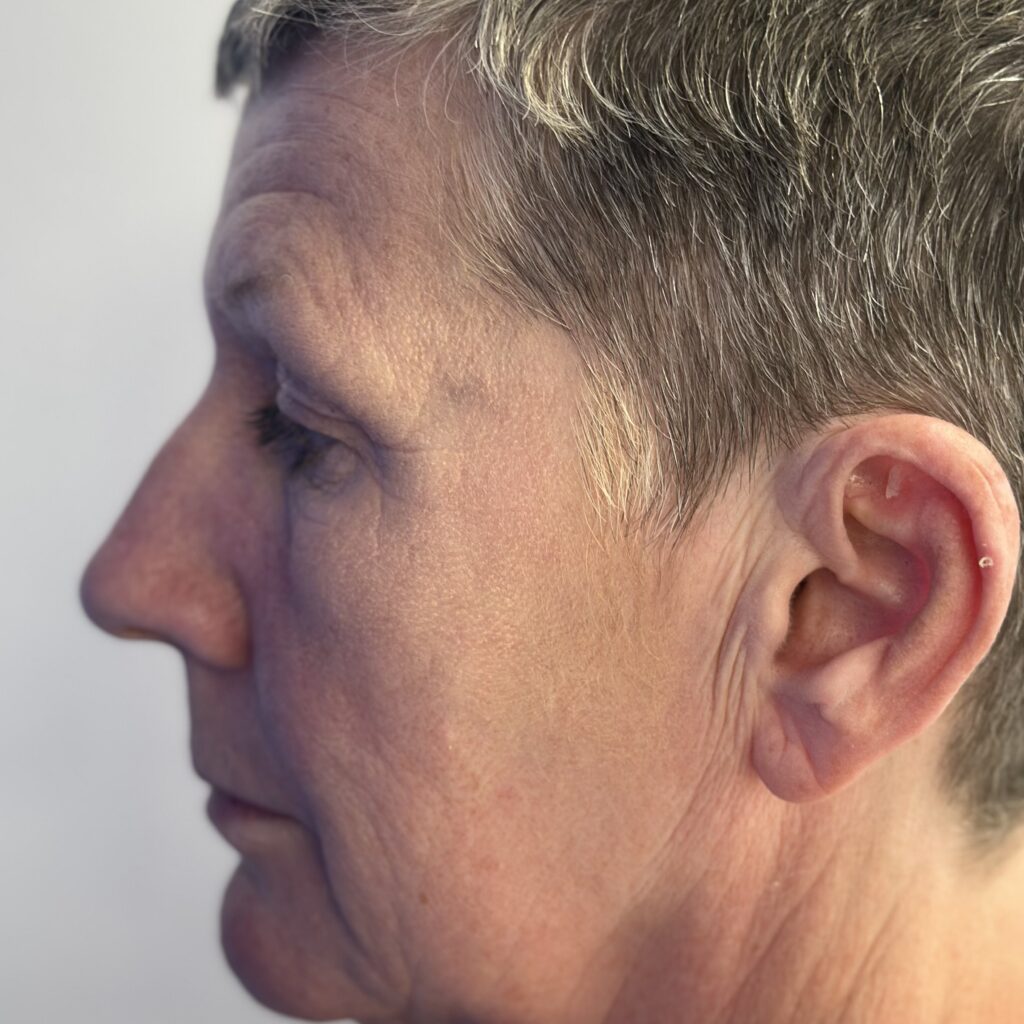
Suitable candidates are those who
Skin & Bone
Have good skin elasticity and bone structure.
Smoking
Generally healthy, non-smokers.
Target
Seek a natural improvement rather than complete transformation
Vision
Understand the recovery period and realistic expectations.
Pre-Operative preparation
Skin Care
Facial skin care: patients with sun damage may benefit from a preoperative skincare regime.
Hair
Hair preparation: avoid colouring within one week of surgery.
Vacation
Plan two weeks off social and work commitments.
Medications
Stop medications that increase bleeding risk (aspirin, NSAIDs, vitamin E) two weeks prior.
Smoking cessation
Smoking cessation six weeks before and after to protect skin blood flow.
Surgical technique
- Incisions are placed discreetly around the ear, hairline and sometimes beneath the chin.
- The skin is lifted to access the underlying SMAS (superficial musculoaponeurotic system) and platysma.
- These layers are repositioned and released where necessary, particularly in the deep plane beneath key retaining ligaments.
- Excess skin is trimmed and redraped without tension.
- The neck is refined by tightening the platysma or removing fat under the chin if required.
- Fine sutures and sometimes drains are placed before applying light dressings.
Risks and complications
- Bleeding or haematoma (usually within 24 hours).
- Infection
- Skin necrosis (higher in smokers).
- Numbness or altered sensation around the ears.
- Asymmetry or contour irregularities.
- Hairline changes or visible scarring (uncommon).
- Anaesthetic complications.
Recovery and aftercare
First 48 hours
• Expect facial tightness, swelling and bruising.
• Keep head elevated and use cool compresses.
• Light walking is encouraged.
First week
• Dressings and drains (if used) are removed within 24–48 hours.
• Stitches around the ear/hairline are removed at 7–10 days.
• Avoid bending, heavy lifting or straining.
Weeks 2–3
• Bruising fades; most patients feel socially presentable by 2–3 weeks.
• Light exercise can resume after 2 weeks.
Weeks 4–6 and beyond
• Gentle massage or skincare may be introduced.
• Numbness around the cheeks or ears gradually settles.
• Full results evolve over 3–6 months as swelling resolves.
Book Consultation